
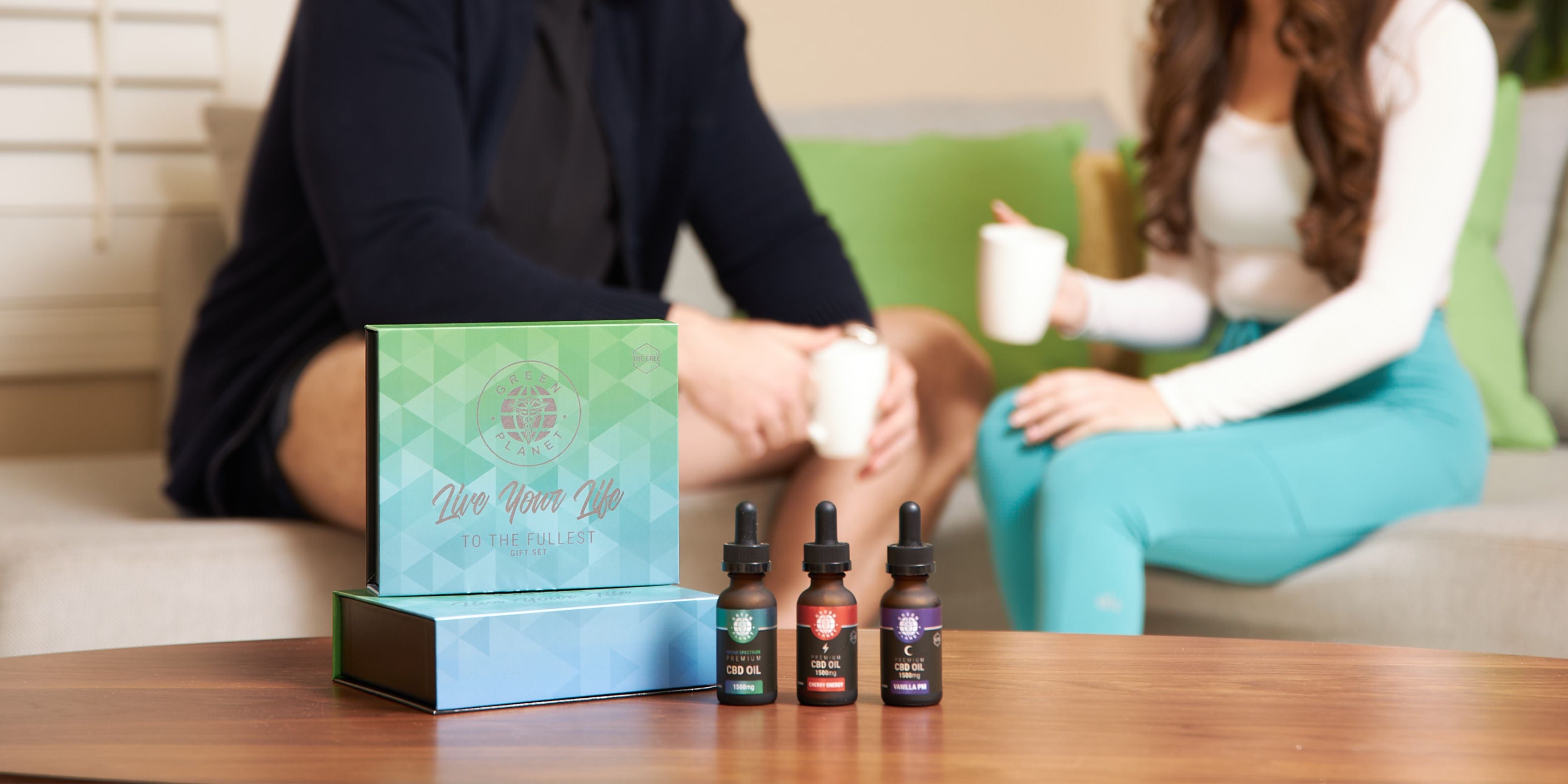

CBD 101: The Beginner's Guide to CBD
CBD is one of the most popular hemp compounds for daily wellness. This guide explains what it is, how to use it, and how to shop smart.
What is CBD?
CBD (short for cannabidiol) is a naturally occurring compound found in hemp. Unlike THC, CBD is non-intoxicating, meaning it does not produce a "high." Most consumer CBD products are made from hemp extract and measured in milligrams (mg) of CBD per serving.
Hemp vs marijuana (quick clarity)
"Hemp" and "marijuana" are both cannabis plants, but hemp is typically defined by having very low THC. Laws and definitions can vary by location, so products should clearly disclose THC content and provide lab results.
CBD vs THC: What's the difference?
Understanding the key differences between these two compounds
CBD
Non-intoxicating, commonly used for wellness routines.
THC
Intoxicating, associated with euphoric effects; may be restricted depending on where you live.
Key takeaway
If you want to avoid intoxication or THC sensitivity, look for broad spectrum or CBD isolate products and confirm via the COA.
How CBD Works
A simple explanation of CBD's interaction with your body
Your Endocannabinoid System
Your body has an internal signaling network called the endocannabinoid system (ECS). This system helps regulate balance in various bodily functions.
CBD Interacts with Multiple Pathways
CBD interacts with multiple pathways in your body related to balance and regulation, supporting your natural systems.
Individual Results May Vary
Research is still evolving, and effects can vary from person to person based on dose, product type, and individual factors.
This information is for educational purposes only and is not intended to diagnose, treat, cure, or prevent any disease. Consult with a healthcare professional before using CBD products.
Common reasons people use CBD
-
Everyday stress support
-
Relaxation and sleep routines
-
Post-workout recovery
-
General wellness balance
-
Targeted topical use for sore areas
These statements have not been evaluated by the FDA. This product is not intended to diagnose, treat, cure, or prevent any disease. CBD supports general wellness routines.
CBD types: Full spectrum vs Broad spectrum vs Isolate
Full spectrum CBD
Contains CBD plus other hemp compounds (may include trace THC). Many people prefer it for an "entourage effect" style experience.
Broad spectrum CBD
Contains multiple hemp compounds but is typically formulated to remove THC (verify via COA).
CBD isolate
Pure CBD with no other hemp compounds. Often chosen for maximum simplicity and THC avoidance.
Quick chooser:
- Want the most "whole-plant" experience: Full spectrum
- Want to avoid THC but still want hemp compounds: Broad spectrum
- Want simplest formula / no THC: Isolate
CBD formats: which product should you choose?
CBD oil tinctures
Fast and flexible. Great for adjusting servings drop-by-drop.
CBD gummies
Easy and consistent. Great for routines and travel.
CBD capsules
Precise, no taste. Great for "set it and forget it."
CBD topicals
Localized use on specific areas (neck, shoulders, knees, etc.).
Not sure what to pick? Shop by goal:
CBD dosage basics (beginner-friendly)
There's no one-size-fits-all dosage. A practical approach:
Step 1: Start low
Begin with a low serving (example: 5-10 mg CBD per day).
Step 2: Stay consistent
Use the same product and serving for 3-7 days to assess how you feel.
Step 3: Increase slowly
If needed, increase by small steps (example: +5-10 mg) and re-evaluate.
Factors that affect serving size:
- Body size and metabolism
- Product type (full/broad/isolate)
- Timing (day vs night)
- Your goal (relaxation vs recovery)
- Sensitivity to cannabinoids
Micro CTA: Try our "Beginner Strength" options
Safety, side effects, and interactions
- Drowsiness
- Digestive upset
- Dry mouth
- Changes in appetite
CBD 101 FAQ
-
In many places, hemp-derived CBD is legal, but laws vary by state/country and by THC content. Always check local rules.
-
Some tests look for THC metabolites. Full spectrum products may contain trace THC. If drug testing is a concern, choose broad spectrum or isolate and verify via COA, but no option is a guaranteed zero-risk.
-
It varies. Oils may feel faster than gummies/capsules. Consistent daily use may have more noticeable effects over time.
-
Oils are more adjustable. Gummies are simpler and more consistent. Choose based on lifestyle and routine.
-
Many people do, but start low, monitor how you feel, and consider professional guidance if you have medications or conditions.